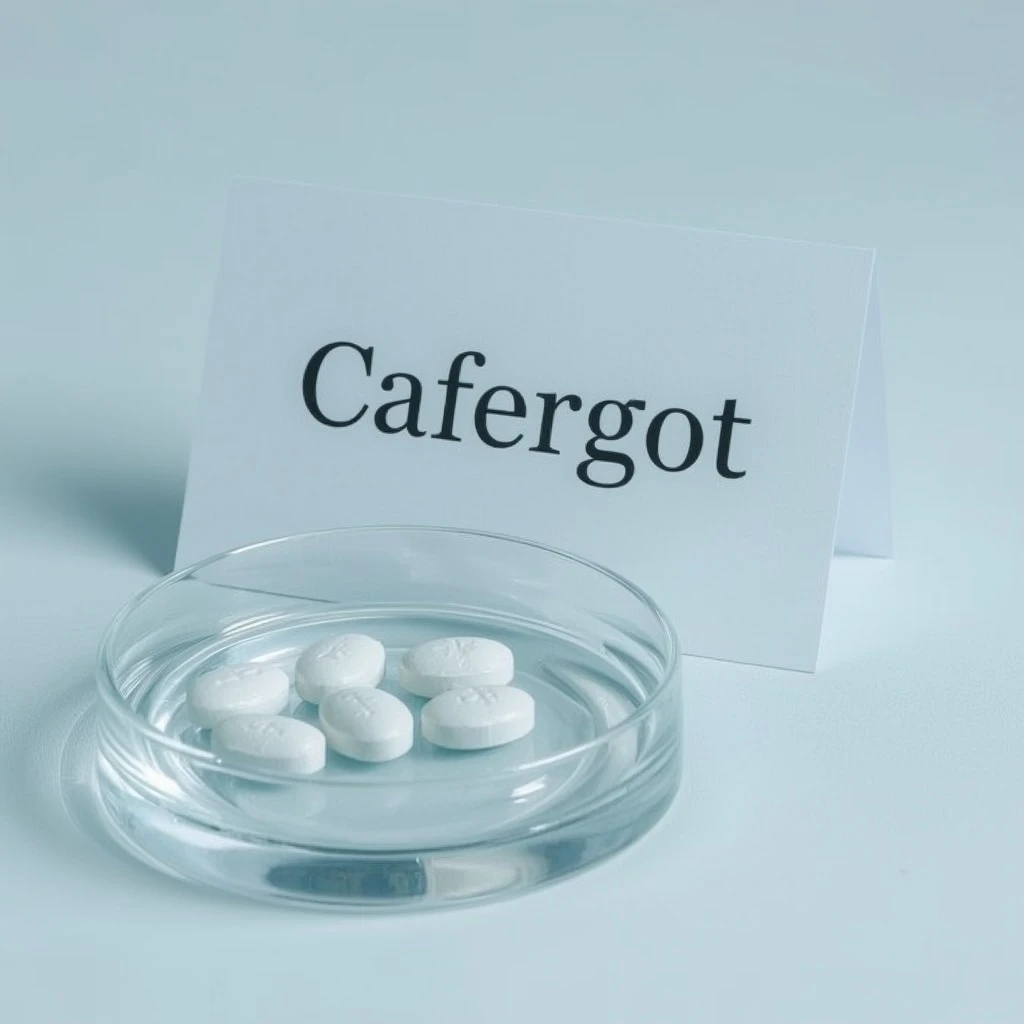
Cafergot is primarily used for the acute treatment of migraine headaches, with or without aura. It is not a daily preventive medicine; instead, it is taken at the first sign of an attack to limit intensity and duration. The ergotamine component constricts dilated blood vessels around the brain, a key mechanism in many migraines, while caffeine boosts absorption and enhances the vasoconstrictive effect. Together, they can reduce throbbing head pain, light and sound sensitivity, and associated nausea in appropriate patients.
In addition to classic migraine, Cafergot may be used in certain vascular-type headaches such as cluster headaches, though this must be carefully directed by a clinician. Because ergot-based medicines carry stricter safety parameters than many over-the-counter pain relievers, Cafergot is usually reserved for people whose migraines are moderate to severe, recurrent, or insufficiently controlled with simple analgesics or triptans. It should not be used as a general painkiller for tension headaches or everyday aches and pains.
Many patients find Cafergot especially helpful when they can recognize early warning signals of a migraine—such as visual changes, neck stiffness, or mood shifts—and take the medication before the headache fully develops. This early intervention strategy can dramatically improve outcomes and reduce downtime. However, because of its potential to affect blood flow throughout the body, it is crucial that anyone using Cafergot has been screened for cardiovascular disease, peripheral artery disease, and other risk factors beforehand.
The exact Cafergot dosage should always be personalized by a healthcare professional, but there are widely accepted general guidelines. For adults treating an acute migraine, the usual starting dose is 1–2 tablets taken at the very first sign of headache or aura. If symptoms persist, additional tablets may be taken as directed, typically at 30-minute intervals, without exceeding the maximum daily and weekly limits specified by your prescriber. These limits are critical to reduce the risk of ergotism and serious vascular complications.
People researching migraine-related medications often continue browsing other prescription products available through the same online pharmacy. Exploring a wider selection of trusted medicines can be helpful when planning future healthcare needs for yourself or your family. Toradol remains one of the most popular medications in our catalog and receives regular interest from customers across the country. If you would like to review another established prescription option, you can buy toradol online and learn more about this product.
Cafergot tablets are generally taken by mouth with water, with or without food. Some patients with sensitive stomachs may tolerate the medicine better when it is taken with a light snack. The key is timing: the earlier in the migraine process you take it, the more effective it tends to be. If the headache has already become severe, Cafergot may be less helpful, and repeated dosing beyond instructions will not transform a non-response into a response—instead, it just increases the risk of side effects.
Patients should carefully track how many Cafergot tablets they use per attack, per day, and per week. Most treatment plans include a clear “do not exceed” number, such as a maximum number of tablets in 24 hours and a maximum number of treatment days per week. Exceeding these caps can cause rebound headaches, medication overuse headache, and serious circulatory problems. If the recommended dose does not control your migraine, or if you find yourself needing Cafergot frequently, contact your provider to reassess your treatment plan rather than self-escalating the dose.
Because Cafergot is not intended for children in most settings and may be inappropriate for older adults with vascular disease, special age-related adjustments or alternative therapies may be considered. Never share your Cafergot with others, even if they have similar headaches. They may have underlying health issues or medications that make ergotamine dangerous, and proper medical evaluation is always required before starting this drug.
Before starting Cafergot, a thorough medical history and risk assessment are essential. Inform your clinician if you have ever been diagnosed with high blood pressure, coronary artery disease, stroke, transient ischemic attack, high cholesterol, diabetes, peripheral vascular disease, Raynaud’s phenomenon, or any clotting or circulation disorder. Ergotamine’s ability to constrict blood vessels can worsen these conditions and must be weighed carefully against potential benefits.
Women who are pregnant, planning pregnancy, or breastfeeding require special caution. Ergot derivatives can reduce blood flow to the uterus and developing fetus, and they may suppress prolactin and affect milk production. Cafergot is generally avoided in pregnancy and lactation unless a specialist weighs risks and benefits in exceptional circumstances. Additionally, smokers—especially those over 35—face higher vascular risks when using vasoconstrictive medicines like Cafergot and should disclose tobacco, vaping, or nicotine replacement use.
Discuss all chronic conditions you may have, including kidney disease, liver disease, infections, sepsis, and any recent surgery or major illness. Reduced liver or kidney function may alter how your body handles ergotamine and caffeine, increasing the risk of toxicity. Let your provider know if you have a history of frequent migraines requiring multiple acute treatments per week, as this pattern often indicates a need for preventive migraine therapy rather than heavy reliance on Cafergot or other abortive medications.
While taking Cafergot, monitor yourself for new or worsening symptoms that might signal reduced circulation, such as numbness, tingling, coldness, or color changes (pale or blue) in fingers or toes, unusual chest discomfort, shortness of breath, or unexplained weakness. If any of these occur, stop further doses and seek prompt medical advice. Avoid combining Cafergot with other migraine-specific vasoconstrictors (such as triptans) within the time frame your clinician recommends, because cumulative effects on blood vessels can be dangerous.
Cafergot is strictly contraindicated in several situations due to its powerful effects on blood vessels. People with known coronary artery disease, history of heart attack, angina, uncontrolled hypertension, stroke, or serious peripheral vascular disease should not use this medicine. In these individuals, even small additional constriction of blood vessels can significantly increase the risk of heart attack, stroke, or severe limb ischemia.
Severe kidney or liver impairment is another major contraindication, as is sepsis or serious systemic infection. These conditions can change the way ergotamine is metabolized and cleared, raising blood levels and predisposing to ergot toxicity. Cafergot must also not be used in patients with hemiplegic or basilar migraine, because these migraine subtypes already carry a higher neurologic risk profile and should be treated with other, safer options.
Pregnancy is a critical contraindication. Ergotamine can induce uterine contraction and reduce placental blood flow, increasing the risk of pregnancy loss or fetal harm. Breastfeeding is generally considered incompatible with Cafergot as well, because the drug may be excreted in breast milk and can affect the infant and milk production. Women of childbearing potential who rely on Cafergot should use reliable contraception and discuss family planning with their healthcare provider.
Finally, Cafergot must not be taken alongside certain potent drug classes, including many strong CYP3A4 inhibitors (such as some antifungals and macrolide antibiotics) and specific antivirals for HIV or hepatitis C. In these settings, blood levels of ergotamine can rise sharply, and manufacturers typically list the combination as absolutely contraindicated. If you are unsure whether a medicine you take falls into this category, always ask a clinician or pharmacist before using Cafergot.
Like any potent migraine medicine, Cafergot can cause side effects, ranging from mild and transient to serious and potentially life-threatening. Common, less severe reactions include nausea, vomiting, abdominal discomfort, dizziness, flushing, and a sense of weakness or fatigue. Some patients also report a bitter taste in the mouth, mild anxiety, restlessness, or trouble sleeping due to the caffeine component. These issues often improve by taking the medication with food, reducing caffeine from other sources, or using anti-nausea medicines as your provider recommends.
More concerning side effects are related to Cafergot’s vasoconstrictive action. These may include cold, numb, or painful fingers and toes; muscle pain or weakness; tingling in hands and feet; or a feeling of tightness or pressure in the chest. Persistent or worsening symptoms of this kind may represent early features of ergotism—a serious toxicity caused by excess ergotamine exposure—and require immediate medical evaluation and discontinuation of the drug.
Rare but serious complications can involve the heart, brain, or other organs. Warning signs include chest pain, sudden shortness of breath, irregular heartbeat, confusion, speech difficulty, visual changes not typical of your usual aura, sudden severe headache unlike your normal migraine, fainting, or sudden weakness on one side of the body. These could indicate heart attack, stroke, or other vascular emergencies. If such symptoms appear after taking Cafergot, call emergency services without delay.
Long-term overuse of Cafergot, especially above recommended weekly limits, can lead to chronic daily headaches or medication overuse headache, in which the very drugs used to treat migraines start triggering more frequent attacks. If you notice that your headaches become more common or persistent while relying heavily on Cafergot, speak with a healthcare professional about adjusting your regimen, possibly adding preventive medications, and gradually reducing overused acute medicines to break the cycle.
Cafergot has numerous potential drug interactions, many of them serious. Ergotamine is metabolized in the liver via the CYP3A4 enzyme, so strong CYP3A4 inhibitors can significantly raise ergotamine levels. These include some azole antifungals (like ketoconazole and itraconazole), certain macrolide antibiotics (such as clarithromycin and erythromycin), and some protease inhibitors or other antivirals used to treat HIV and hepatitis C. Using Cafergot with these medications may be contraindicated and can dramatically increase the risk of ergotism and severe vasospasm.
Combining Cafergot with other vasoconstrictive migraine medicines—particularly triptans (such as sumatriptan, rizatriptan, or zolmitriptan)—within a short time window is dangerous. The additive narrowing of blood vessels may precipitate heart attack, stroke, or severe peripheral ischemia. Your healthcare provider will usually advise a specific “washout period” between using a triptan and Cafergot. Adhere strictly to these instructions and never double up two different migraine-specific drugs in an attempt to force relief.
Caffeine is another component to consider. While the amount in Cafergot is measured and purposeful, additional caffeine from coffee, tea, energy drinks, or certain cold remedies can intensify side effects such as jitteriness, rapid heartbeat, elevated blood pressure, and insomnia. If you are sensitive to caffeine or have certain heart conditions, it may be wise to limit other caffeine sources on days you take Cafergot.
Other drugs that may interact with Cafergot include some beta-blockers, nicotine replacement products, and vasoconstrictive agents used for other medical purposes. Always provide a complete list of your prescriptions, over-the-counter medications, herbal supplements, and recreational substances to your healthcare provider. St. John’s wort, grapefruit juice, and other botanicals can also affect liver enzymes and alter drug levels unpredictably. A clinician familiar with migraine pharmacology can help you identify and avoid risky combinations.
Cafergot is not intended as a scheduled daily medication, so the concept of a “missed dose” is different than with maintenance drugs. You only take Cafergot when a migraine or vascular headache actually begins. If you typically use it at the early aura stage but realize you missed that window and the headache is already fully developed, you can still take the medicine as directed—just understand that it may not be as effective as when used promptly at onset.
If your healthcare provider has given you a maximum number of tablets to use within a certain time period (for example, a specific number per 24 hours or per attack), do not “make up” for a missed early dose by taking more later. Stick to the total maximum. Doubling up doses because you forgot to take Cafergot earlier in the migraine can raise the risk of ergotamine toxicity without proportionate benefit.
For people who experience frequent attacks and are trying to follow a structured migraine action plan, it can help to keep Cafergot in a dedicated, visible place—such as a bedside drawer or a work bag—so you can respond quickly to early warning signs. If you feel you regularly “miss the window” for effective treatment, discuss with a clinician whether a different rescue medicine or a preventive strategy might better match your migraine pattern and lifestyle.
Overdose of Cafergot, whether from a single large ingestion or repeated dosing that exceeds prescribed limits, can result in ergotamine toxicity, often referred to as ergotism. Early signs include severe nausea, vomiting, diarrhea, abdominal pain, extreme thirst, and weakness. As toxicity progresses, patients may develop intense burning or tingling in extremities, severe coldness, muscle pain, diminished or absent pulses in the hands or feet, mottled or bluish skin, and even tissue damage from lack of blood flow.
In severe overdose, blood vessels supplying the heart, brain, kidneys, and other vital organs can constrict dangerously, leading to heart attack, stroke, kidney failure, or gangrene of the limbs. Mental status changes such as confusion, agitation, hallucinations, or seizures may also occur. This scenario is a medical emergency. Anyone suspected of ergotamine overdose needs immediate evaluation in an emergency department, where supportive care, monitoring, and medications to improve circulation may be provided.
If you believe you have taken more Cafergot than prescribed, or if you inadvertently combined it with contraindicated medications, contact poison control or emergency services right away. Do not wait for symptoms to worsen before seeking help. Bring the medication bottle and any other relevant drugs you have taken to assist the medical team. Future use of Cafergot after an overdose should be reassessed carefully, and in many cases, alternative migraine treatments may be recommended to avoid further risk.
To maintain potency and safety, Cafergot should be stored at room temperature, away from excessive heat, moisture, and direct light. Avoid keeping it in steamy bathrooms or near kitchen sinks where humidity fluctuates. Instead, use a dry cabinet or drawer out of reach and sight of children and pets. Always keep Cafergot in its original container with the label intact so you can easily reference dosing instructions and expiration dates.
Do not use Cafergot tablets that appear discolored, crumbled, or otherwise damaged, and never take the medication beyond its printed expiration date. Over time, the active ingredients can degrade, leading to reduced effectiveness or unpredictable side effects. If you have unused or expired Cafergot, ask your pharmacy or local waste authority about take-back programs or safe disposal recommendations; do not flush medications down the toilet unless you are specifically instructed to do so.
If you use pill organizers or travel cases, clearly label compartments and keep Cafergot separate from other medicines to prevent mix-ups. For individuals with frequent migraines, it is wise to store a backup supply in a secure place you regularly carry, such as a work bag, provided local conditions (heat in parked cars, for example) will not damage the medication. Responsible storage and disposal help protect those around you and ensure that your Cafergot remains reliable when you need it most.
In the United States, Cafergot is traditionally classified as a prescription-only medication due to its potent ergotamine content and potential cardiovascular risks. Historically, many patients have faced barriers to obtaining appropriate migraine care, including limited access to neurologists, transportation challenges, and difficulty securing timely in‑person appointments. As a result, people sometimes turn to unsafe online sources that claim to sell Cafergot without a prescription, exposing themselves to counterfeit products, incorrect dosing, and legal risks.
Physician House Calls of Kansas offers a safer, fully legal alternative for patients seeking to buy Cafergot without prescription hassles in the conventional sense. Instead of bypassing medical oversight, this service brings licensed healthcare professionals directly to you—either through in‑home visits or telehealth-style consultations, depending on the program—so that a proper clinical evaluation, risk assessment, and documentation can occur. Once your provider confirms that Cafergot is appropriate for your migraine pattern and health status, they can authorize its use in a structured, compliant way.
This model allows eligible adults to access Cafergot within a streamlined framework, often with less waiting and travel than traditional office visits. You still receive a legitimate medical order and guidance on dosage, precautions, and follow‑up, yet from the comfort of your own home. That means you are not truly circumventing a prescription; instead, you are leveraging a modern, patient‑centered delivery system designed to simplify safe access.
When you buy Cafergot through Physician House Calls of Kansas, you can expect verification of medication sources, adherence to state and federal regulations, and clear education about side effects, interactions, and when to seek urgent care. This structured approach reduces the temptation to self-medicate with unverified drugs from overseas websites while still honoring your need for convenient, responsive migraine management. For many patients living with disabling headaches, this balance between safety, legality, and accessibility can make a significant difference in quality of life.
Cafergot is a prescription medication that combines ergotamine tartrate and caffeine. It is used to treat acute migraine attacks (with or without aura) and certain vascular headaches once they begin. It is not meant for everyday prevention of migraines, but rather for stopping or reducing the severity of a migraine that has already started.
Cafergot works mainly by narrowing (constricting) dilated blood vessels in the brain that are believed to contribute to migraine pain. Ergotamine directly constricts blood vessels and affects serotonin (5-HT) receptors, while caffeine enhances the absorption and effectiveness of ergotamine and also has a mild vasoconstrictor effect. Together, they help reduce headache pain and associated symptoms like throbbing and sensitivity to light.
Cafergot is not suitable for everyone. It should not be used by people with coronary artery disease, uncontrolled high blood pressure, peripheral vascular disease, severe kidney or liver disease, sepsis, or a history of stroke or transient ischemic attacks. It is also contraindicated in pregnancy, during breastfeeding, and in people who are taking certain strong CYP3A4 inhibitors (such as some antifungals, macrolide antibiotics, and HIV protease inhibitors) because of the risk of serious blood vessel spasms and tissue damage.
Cafergot should not be used during pregnancy because ergotamine can cause uterine contractions, reduce blood flow to the fetus, and increase the risk of pregnancy complications including miscarriage. It should also be avoided while breastfeeding because ergotamine can pass into breast milk, potentially causing serious side effects in the infant, including vomiting, diarrhea, weak pulse, and circulation problems. Pregnant or nursing patients should discuss safer migraine options with their healthcare provider.
Cafergot is usually taken at the first sign of a migraine. A typical adult dosing strategy is to take 1–2 tablets as soon as symptoms begin, then 1 tablet every 30 minutes as needed, up to a maximum total daily dose specified by your doctor (commonly not more than 6 tablets per attack and not more than 10 tablets per week, but you must follow your own prescription instructions). It is important never to exceed the prescribed dose and not to use it on a daily or near-daily basis.
Common side effects can include nausea, vomiting, stomach discomfort, dizziness, flushing, tingling in fingers or toes, and mild muscle pain or weakness. Some people also experience anxiety, restlessness, or a feeling of chest discomfort. These effects are often dose-related and may improve if the dose is reduced under medical supervision.
Serious side effects are usually related to excessive blood vessel constriction and reduced blood flow. Warning signs include severe chest pain, tightness or pressure (possible heart problem), pain or numbness in arms or legs, cold or pale fingers or toes, bluish discoloration of extremities, severe or sudden abdominal pain, shortness of breath, confusion, slurred speech, or sudden weakness on one side of the body. If any of these occur, stop taking Cafergot and seek emergency medical care immediately.
Yes, like many acute migraine drugs, Cafergot can contribute to medication overuse headache (rebound headache) if used too frequently. Taking ergotamine-containing medications more than about 2 days per week on a regular basis increases this risk. If you notice that your headaches are becoming more frequent or less responsive to treatment, discuss this with your doctor; you may need a preventive migraine strategy and a change in acute medications.
Cafergot has many potential drug interactions. It should not be used with strong CYP3A4 inhibitors (such as ketoconazole, itraconazole, clarithromycin, erythromycin, ritonavir, and others) due to a high risk of severe vasospasm and tissue ischemia. It also interacts with some beta-blockers, certain antidepressants (including some SSRIs/SNRIs and MAO inhibitors), triptans, nicotine, and other vasoconstrictive agents, increasing the risk of blood vessel problems. Always provide your doctor and pharmacist with a complete list of your medications, supplements, and herbal products before starting Cafergot.
Cafergot already contains caffeine, so additional caffeine from coffee, tea, energy drinks, or cola can increase side effects such as jitteriness, rapid heartbeat, anxiety, and insomnia. While a small amount may be acceptable for some people, it is generally wise to limit additional caffeine intake on days you use Cafergot. Ask your healthcare provider for personalized guidance based on your usual caffeine consumption and your health status.
Cafergot should be reserved for occasional use and not for frequent or daily headaches. In many guidelines, ergotamine products are limited to no more than 10 tablets per week and not more than 2 days of use per week, but your specific limits should come from your prescriber. Overuse increases the risk of serious vascular complications, ergotism (chronic ergot poisoning), and medication overuse headache. If you require frequent acute treatment, discuss preventive therapies and alternative acute medications with your doctor.
Cafergot is not designed as a preventive (prophylactic) migraine medication. It is intended for acute treatment when a migraine attack starts. Using it regularly as a preventative would expose you to a higher risk of side effects and vascular complications and is not recommended. There are other medications, including beta-blockers, anticonvulsants, CGRP monoclonal antibodies, and certain antidepressants, that are used for migraine prevention and may be safer and more effective for that purpose.
Cafergot and other ergotamine-containing medications are used much less frequently today than in the past. This is mainly because newer migraine-specific drugs (such as triptans and CGRP-based therapies) tend to be more predictable, have fewer serious vascular side effects, and interact with fewer medications. However, Cafergot may still be prescribed in certain situations, particularly if newer treatments are not effective, not tolerated, or not accessible.
Yes. Because ergotamine constricts blood vessels, Cafergot can increase blood pressure or worsen existing high blood pressure. It can also reduce blood flow to the hands, feet, heart, brain, and other organs in susceptible individuals. People with circulation problems (such as Raynaud’s phenomenon or peripheral artery disease) or cardiovascular risk factors must be carefully assessed before Cafergot is prescribed and monitored while taking it.
Older adults are often more sensitive to the cardiovascular and circulatory effects of Cafergot. They may have a higher baseline risk of coronary artery disease, stroke, hypertension, and peripheral vascular disease, which can make ergotamine-containing medications more hazardous. If Cafergot is considered for an older patient, doctors generally use the lowest effective dose, monitor closely, and often prefer alternative treatments when possible.
If Cafergot does not significantly reduce your migraine pain or if the headache returns quickly, do not keep taking extra doses beyond what your doctor has prescribed. Overdosing increases the risk of serious side effects. Instead, contact your healthcare provider to discuss alternative acute treatments, the possibility of combining with approved adjunctive medications (such as anti-nausea drugs), and whether a preventive migraine plan is needed.
Taking too much Cafergot can cause ergotamine toxicity, which may present with severe nausea and vomiting, muscle pain, numbness or tingling in fingers and toes, cold or pale extremities, bluish skin, severe abdominal or chest pain, confusion, or even gangrene in extreme cases due to loss of blood supply. This is a medical emergency. Seek immediate medical attention or call emergency services if you suspect an overdose.
Store Cafergot at room temperature, away from excess heat and moisture, and out of reach of children and pets. Do not store it in the bathroom where humidity can degrade the tablets. Check the expiration date regularly and dispose of expired or unused medication following local guidelines or pharmacy take-back programs, rather than throwing it loosely into household trash.
Cafergot may cause dizziness, drowsiness, or visual disturbances in some individuals, especially if combined with other sedating medicines or alcohol. If you experience these side effects, do not drive, operate machinery, or perform tasks requiring full alertness until you know how the medication affects you. Discuss any persistent cognitive or coordination issues with your doctor.
Use of Cafergot in children or adolescents is generally not routine and may be restricted or avoided due to safety concerns and limited modern data in younger populations. Pediatric migraine is typically managed with other medications and non-drug strategies. Any use of Cafergot in younger patients must be carefully evaluated and supervised by a pediatric neurologist or headache specialist.
Cafergot (ergotamine plus caffeine) is an older class of migraine therapy, while triptans (such as sumatriptan or rizatriptan) are newer, more selective serotonin (5-HT1B/1D) receptor agonists. Triptans tend to have a more predictable onset of action, fewer serious vascular side effects, and simpler dosing. Cafergot causes broader blood vessel constriction and has more drug interactions. For these reasons, many clinicians prefer triptans over Cafergot as first-line migraine-specific therapy, unless triptans are ineffective, contraindicated, or unavailable.
Onset of relief can vary by individual and formulation. Many modern triptans, especially nasal sprays or injectable forms, often provide faster and more reliable relief than oral Cafergot. Ergotamine’s absorption can be slower and more variable, particularly if nausea or vomiting is present. Some patients, however, may feel that Cafergot works well for them if used very early in the attack. In general, guidelines favor triptans for faster, more consistent onset.
Head-to-head comparisons suggest that triptans like sumatriptan provide better or at least comparable pain relief with a better safety profile for most patients. Some older studies showed ergotamine could help certain migraine types, but due to its higher risk of vascular side effects and more complex dosing, Cafergot is usually not preferred over sumatriptan. Choice of therapy should be individualized based on response, comorbidities, and contraindications.
Both Cafergot (ergotamine plus caffeine) and dihydroergotamine (DHE) are ergot derivatives used for migraine. However, DHE has a somewhat different receptor profile and is often considered to have a lower risk of severe vasoconstriction when used appropriately, especially in controlled settings such as injections or nasal sprays. DHE is frequently used in emergency departments or infusion centers for status migrainosus (prolonged severe migraine), while Cafergot is an oral medication usually taken at home at the start of an attack.
Neither medication is “safe” in all patients; both require careful screening. DHE, particularly when administered in a monitored setting, is considered by many specialists to be somewhat more manageable in terms of side effects and vascular risk profile compared with oral ergotamine combinations. Cafergot’s caffeine component and oral dosing may add variability in absorption and side effects. Selection depends on clinical circumstances, route of administration needs, and the patient’s cardiovascular status.
Newer CGRP (calcitonin gene-related peptide) medications, such as CGRP monoclonal antibodies (for prevention) and small-molecule CGRP receptor antagonists (gepants, used acutely or preventively), target migraine pathways more specifically without significant vasoconstriction. Compared to Cafergot, CGRP drugs generally have fewer cardiovascular risks and drug interactions and are more appropriate for patients with vascular disease. However, they can be more expensive and may not be accessible everywhere. For many patients, CGRP-targeted therapies are preferred over ergotamine-containing drugs.
A doctor might consider Cafergot when triptans are not effective, not tolerated, or contraindicated (for example, in some serotonin syndrome risk scenarios or specific drug interactions), and when CGRP drugs are unavailable or unaffordable. Cafergot might also be used in patients who have previously responded well to it and who have been carefully screened for cardiovascular risk. It is usually not a first-line choice in current practice.
For many people with mild to moderate migraines, NSAIDs like ibuprofen or naproxen can be effective and have a long track record of use with a more familiar safety profile. Cafergot is a migraine-specific vasoconstrictive drug and may be reserved for more severe attacks or when simple analgesics and NSAIDs are not effective. However, NSAIDs also carry risks (such as gastrointestinal bleeding and kidney effects) when overused. Treatment should be tailored to the individual’s migraine severity, frequency, and overall health.
Using Cafergot and a triptan within a short time frame is generally not recommended because both types of medications constrict blood vessels, increasing the risk of significant vasospasm, ischemia, and cardiovascular events. If a combination is ever considered, strict spacing and clear instructions from a headache specialist are essential. Most guidelines advise choosing one class or the other for a given attack, not both.
Cafergot combines ergotamine with caffeine in a single tablet. Other ergotamine products may be available as plain ergotamine tablets or suppositories, sometimes with different caffeine content. The basic mechanism is similar across ergotamine drugs: vasoconstriction and serotonin receptor effects. Differences lie in formulation, route of administration, and absorption. Cafergot’s caffeine is intended to improve ergotamine absorption and possibly enhance its migraine-relieving effects.
Yes. Because Cafergot’s ergotamine component can cause more generalized and pronounced vasoconstriction, it carries a higher risk of serious complications in people with existing heart disease or significant risk factors (such as diabetes, smoking, high blood pressure, high cholesterol, and strong family history of coronary disease). Triptans also require caution in these patients, but the ergotamine class, including Cafergot, is often considered even higher risk. Many clinicians avoid Cafergot entirely in patients with known cardiovascular disease.
Cafergot may provide benefits for certain patients who have not responded to or cannot take triptans, NSAIDs, or newer CGRP drugs, especially if used early in the migraine and at carefully controlled doses. Some people report that Cafergot helps with particular vascular-type headaches in a way other drugs do not. It can also be more affordable in some regions. However, these potential benefits must always be weighed against its safety profile and availability of safer alternatives.
If your doctor recommends switching from Cafergot to another acute or preventive migraine medication, it is important to avoid overlap with other vasoconstrictive agents (like triptans or additional ergot derivatives) within the time window your doctor specifies. You may need a washout period to reduce the risk of additive vascular effects. Your clinician will also adjust doses gradually and monitor your response and side effects. Keeping a headache diary can help evaluate how the new regimen compares to Cafergot in terms of frequency, intensity, and function.