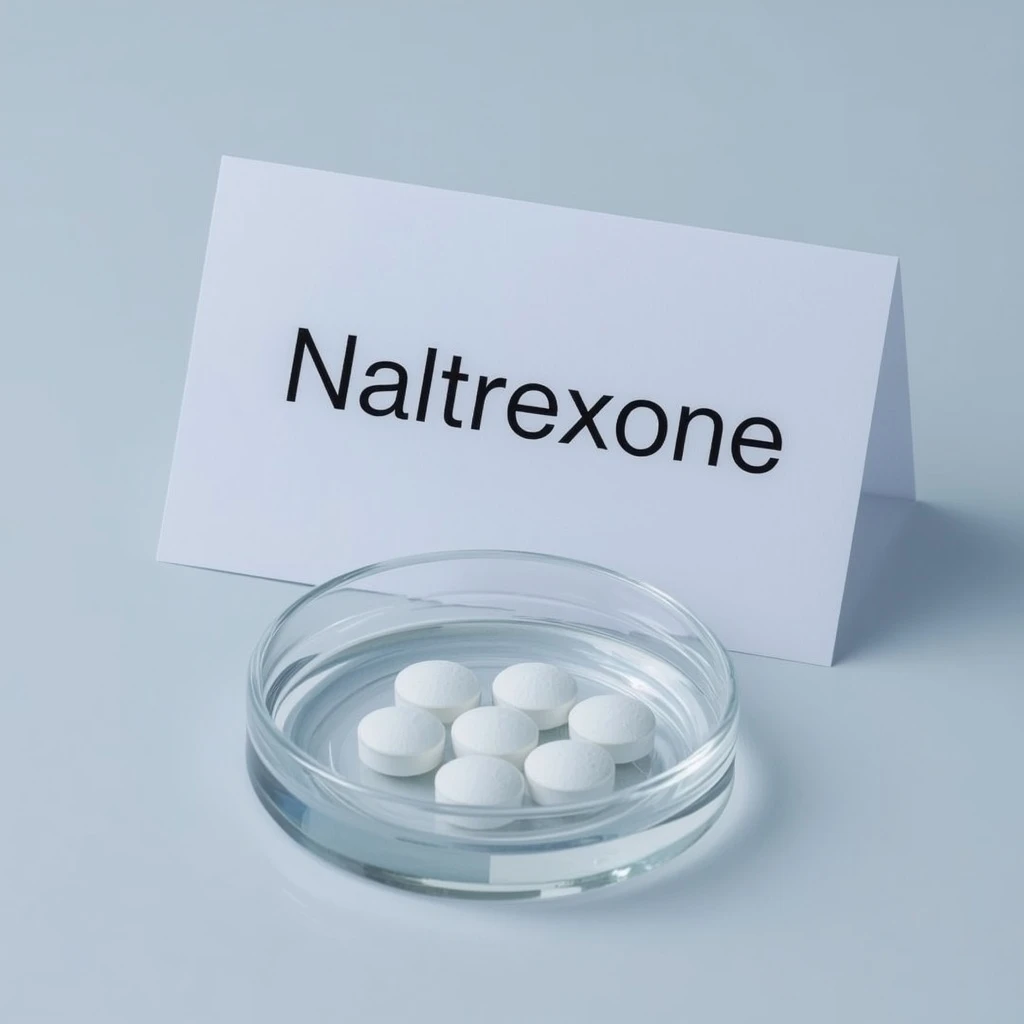
Naltrexone is primarily prescribed to help people with alcohol use disorder and opioid use disorder maintain sobriety. For alcohol dependence, it reduces the pleasurable effects of drinking and can diminish cravings, making it easier to cut down or stop alcohol use altogether. For individuals recovering from opioid dependence, such as from heroin or prescription pain medicines, Naltrexone acts as an opioid antagonist, blocking opioid receptors so that opioids cannot produce euphoria or pain relief. This protective effect lowers the incentive to return to opioid use, particularly after detoxification.
Unlike medications such as methadone or buprenorphine, Naltrexone is not an opioid and does not provide substitution therapy or a “replacement” effect. Instead, it is often chosen by people who want a non-addictive option that does not cause physical dependence or withdrawal when stopped. Some clinicians also use Naltrexone off-label in lower doses for conditions such as certain pain syndromes or autoimmune issues, but these uses are still being studied and require careful medical supervision. In all cases, Naltrexone works best as part of a comprehensive treatment plan that includes counseling, support groups, and lifestyle changes.
Naltrexone dosing depends on the condition being treated, your health status, and the specific formulation prescribed. For alcohol use disorder, a common oral dosage is 50 mg once daily, taken with or without food. Some clinicians may adjust the schedule—such as 50 mg on weekdays and 100 mg on certain days—to fit a patient’s lifestyle and response. For opioid use disorder, a similar 50 mg daily dose is typical, but only after the person has completely detoxed from opioids for an adequate period, usually 7–10 days for short-acting opioids, and even longer for long-acting opioids or methadone.
An extended-release injectable form of Naltrexone is also available and is usually given as a 380 mg intramuscular injection once every 4 weeks or once a month. This option is helpful for people who struggle with daily pills or are at high risk of relapse. Regardless of formulation, it is vital to follow your clinician’s instructions exactly. Never start Naltrexone if you still have opioids in your system, as this can trigger sudden, severe withdrawal. If you are transitioning from opioids, your provider may order a urine drug screen or use a naloxone challenge test to confirm you are opioid-free before your first dose.
Take oral Naltrexone at the same time each day to maintain steady levels in your body. If stomach upset occurs, taking it with food or milk can help. Do not increase or decrease your dose on your own, and do not stop abruptly without discussing it with your healthcare professional. Monitoring liver function with periodic blood tests is often recommended, especially at the start of therapy or if higher doses are being used. Good adherence to dosage and directions significantly improves the likelihood that Naltrexone will help you maintain recovery.
Before starting Naltrexone, a thorough medical evaluation is essential. You should inform your healthcare provider of your complete medical history, including any liver disease, kidney problems, bleeding disorders, depression, or a history of suicidal thoughts. Because Naltrexone is processed by the liver and can elevate liver enzymes in some people, those with acute hepatitis or significant liver impairment may need lower doses, closer monitoring, or an alternative treatment. Baseline liver function tests are often obtained before therapy begins and repeated periodically during treatment.
Many customers visiting our Naltrexone page continue exploring other trusted prescription medications while browsing our online pharmacy. Having access to a comprehensive selection of healthcare products makes it easier to compare treatments and plan future purchases for different medical needs. Synthroid remains one of the most frequently viewed medications in our catalog and continues to attract regular interest from returning visitors. If you would like to explore another established prescription option, you can buy synthroid in our store and review detailed product information.
A critical precaution is the requirement for complete opioid detoxification before starting Naltrexone. If you still have opioids in your system, taking Naltrexone can precipitate intense withdrawal symptoms—nausea, vomiting, sweating, muscle pain, and agitation—which can be medically serious and extremely uncomfortable. You must disclose all opioid use, including prescription pain relievers, cough syrups containing codeine, or illicit substances. It is also vital to tell your provider about all medications and supplements you take, including over-the-counter products and herbal remedies, so they can identify any potential interactions or overlapping side effects.
People taking Naltrexone should carry a medical alert card or bracelet stating that they are on an opioid antagonist. In emergencies, this informs healthcare providers that standard opioid pain medications may be less effective or ineffective. You should also use caution with activities requiring alertness, especially when first starting Naltrexone, as it can occasionally cause dizziness or fatigue. If you experience new or worsening depression, mood changes, or thoughts of self-harm, seek medical help immediately. Open, ongoing communication with your clinician helps ensure that any emerging issues are addressed promptly and that your treatment remains safe and effective.
Not everyone is a candidate for Naltrexone. The medication is contraindicated in people who are currently physically dependent on opioids or who are in opioid withdrawal. If you are actively using opioids, including methadone or buprenorphine, you must not start Naltrexone until you have completed an appropriate detoxification period under professional guidance. Attempting to use Naltrexone while opioids are still present in your system can lead to abrupt, severe withdrawal that may require hospitalization.
Naltrexone is also generally contraindicated in individuals with acute hepatitis or significant liver failure, because it can further stress liver function. If your liver enzymes are markedly elevated, your provider may postpone therapy or recommend an alternative approach. A known hypersensitivity or allergy to Naltrexone or any component of its formulation is another firm contraindication; past reactions such as severe rash, swelling, or breathing difficulties should be clearly communicated to your clinician.
Caution is required in pregnancy and breastfeeding. Although some data suggest Naltrexone may be relatively safe in certain circumstances, it is usually used only when potential benefits outweigh potential risks, and after a detailed discussion with your healthcare provider. If you are pregnant, planning pregnancy, or breastfeeding, your clinician will consider the severity of your alcohol or opioid use disorder, your other medical conditions, and alternative treatments before recommending Naltrexone. In any uncertain situation, shared decision-making is key to weighing the risks and benefits for both you and your baby.
Like all medications, Naltrexone can cause side effects, though not everyone experiences them and many are mild and temporary. Common side effects include nausea, stomach cramps, loss of appetite, headache, dizziness, tiredness, joint or muscle aches, and difficulty sleeping. These symptoms often improve after the first few days or weeks of treatment as your body adjusts. Taking the tablet with food may reduce stomach upset, and staying hydrated can help with headaches or lightheadedness.
Some people may notice mood changes, anxiety, irritability, or feeling “flat” as their brain adjusts to the absence of alcohol or opioids and the blocking effect of Naltrexone. It can be challenging to distinguish between medication effects and the emotional changes of early recovery, so it is important to discuss any persistent or troubling symptoms with your provider. Rarely, Naltrexone can affect liver function, leading to symptoms such as yellowing of the skin or eyes (jaundice), dark urine, persistent abdominal pain, or unusually severe fatigue. If these occur, seek medical evaluation promptly, as liver tests may need to be performed and treatment adjusted or stopped.
The long-acting injectable form of Naltrexone can cause injection-site reactions such as pain, redness, swelling, or a lump. In very rare cases, more serious skin or tissue reactions may develop and require medical care. Allergic reactions to Naltrexone are uncommon but can include rash, itching, swelling of the face or throat, or difficulty breathing; these warrant emergency attention. Overall, most people tolerate Naltrexone well, and careful monitoring allows clinicians to address side effects early, balancing safety with the significant benefits of reduced cravings and relapse prevention.
Naltrexone’s main interaction is with opioid-containing medications. Because it blocks opioid receptors, it can reduce or completely prevent the effects of opioid pain relievers, cough suppressants with codeine, certain anti-diarrheal products, and illicit opioids like heroin. If you require surgery or emergency pain management while taking Naltrexone, your medical team may need to use non-opioid analgesics or, in some cases, very high doses of opioids under close monitoring after carefully weighing the risks. This is why it is essential that all healthcare providers know you are on Naltrexone.
Naltrexone is often used together with other medications used in addiction treatment, such as antidepressants, anti-anxiety medications, or mood stabilizers. Most of these combinations are safe when monitored, but they can increase the likelihood of certain side effects like drowsiness, dizziness, or gastrointestinal upset. Drugs that are also processed by the liver, including some anti-seizure medicines, antifungals, and antibiotics, may add to liver strain when used with Naltrexone. Regular liver function tests help identify any issues early. Always provide a complete list of your prescription drugs, over-the-counter medicines, and herbal supplements to your clinician so they can screen for interactions.
Alcohol does not have a direct pharmacologic interaction with Naltrexone in the way opioids do, but drinking while on Naltrexone may blunt the pleasurable effects of alcohol. This can support recovery for some, but others may try to drink more to overcome the blocked effect, which can be dangerous. Your provider will give you clear guidance on whether complete abstinence is advised and how to manage cravings. Do not attempt to “override” Naltrexone’s opioid blockade by taking large amounts of opioids; this is extremely dangerous and significantly increases the risk of overdose once the medication effect wears off.
If you are taking oral Naltrexone and miss a dose, take it as soon as you remember on the same day. However, if it is almost time for your next scheduled dose, skip the missed dose and resume your normal dosing schedule. Do not double up or take extra tablets to “catch up,” as this does not improve effectiveness and may increase the risk of side effects, including gastrointestinal upset or liver strain.
For people receiving the monthly injectable form, a missed appointment means that your protection against cravings and relapse may begin to weaken as the medication level in your body drops. If you miss or have to delay an injection, contact your healthcare provider or service such as Physician House Calls of Kansas as soon as possible to reschedule. Try to keep injection dates consistent from month to month, as this builds routine and ensures stable coverage. If you have gone a substantial period without Naltrexone, your clinician may reevaluate your current opioid or alcohol use and possibly repeat detox assessment before restarting therapy.
Maintaining regular dosing is particularly important early in recovery, when cravings may still be strong. Setting reminders on your phone, linking your pill to a daily habit (like brushing your teeth), or using a pill organizer can improve adherence. If you find yourself frequently forgetting doses, discuss this with your provider; a long-acting injection or adjustments to your regimen may better support you and reduce the risk of relapse.
Naltrexone itself has a relatively wide margin of safety, but taking more than prescribed still poses risks, particularly to the liver. Symptoms of Naltrexone overdose can include severe nausea, vomiting, abdominal pain, dizziness, fainting, confusion, or unusual tiredness. If you or someone else may have taken too much Naltrexone, call your local emergency number or poison control center right away. Do not wait for symptoms to worsen. Bring the medication bottle or details of the injection with you so healthcare professionals can see the exact dose and formulation.
A less obvious but serious overdose risk involves opioids. Because Naltrexone blocks opioid receptors, some individuals may attempt to overcome this blockade by taking very high doses of opioids. While the medication is active, these large doses may have little effect, but as Naltrexone wears off, the stored opioids can suddenly bind to receptors, leading to life-threatening respiratory depression. Additionally, people who have been abstinent while on Naltrexone lose some of their previous opioid tolerance; if they return to their former doses, the risk of fatal overdose is significantly higher.
To reduce overdose risk, always use Naltrexone as prescribed and never try to “test” or bypass its blocking effect. If you feel overwhelmed by cravings or tempted to use opioids or drink heavily, reach out to your clinician, a trusted support person, or a crisis helpline immediately. Recognizing overdose warning signs—such as slow or stopped breathing, extreme sleepiness, blue lips or fingertips, or inability to wake someone—is crucial. If you suspect an opioid overdose, call emergency services at once and administer naloxone if available, even if the person is known to be on Naltrexone, since timing and drug levels can be unpredictable.
To keep Naltrexone safe and effective, store the medication exactly as directed by the manufacturer and your pharmacist. Oral Naltrexone tablets should be kept at room temperature, away from excessive heat, moisture, and direct sunlight. Avoid storing them in the bathroom or near the kitchen sink, where humidity levels can be high and may degrade the tablets over time. Keep the medication in its original, tightly closed container, with the label intact, so you can easily check dosing information and expiration dates.
The injectable, extended-release form of Naltrexone requires refrigeration or specific temperature conditions prior to administration, depending on the product’s instructions. These injections are usually handled by healthcare professionals rather than patients themselves. If you receive care through a service like Physician House Calls of Kansas, your clinician will manage storage, transport, and preparation according to safety standards, so you do not have to worry about maintaining the cold chain yourself.
Always store Naltrexone out of reach of children, teenagers, and pets. While it is not addictive, accidental ingestion in a child can cause serious illness. Never share your Naltrexone with anyone else, even if they appear to have similar problems with alcohol or opioids; treatment must be individualized and medically supervised. When your medication expires or is no longer needed, follow your pharmacist’s instructions for safe disposal. Many communities offer take-back programs or secure disposal sites to prevent misuse and protect the environment.
In the United States, Naltrexone is classified as a prescription-only medication, even though it is not a controlled substance and is not addictive. Federal and state regulations require that a licensed clinician evaluate you before you can obtain Naltrexone, whether in tablet or injectable form. Traditionally, this meant scheduling in-person visits with a doctor or addiction specialist, undergoing lab tests, and filling a prescription at a local pharmacy. For many people—especially those with limited transportation, busy schedules, or concerns about stigma—these barriers can delay or discourage treatment.
Telehealth has created new, legal avenues to access Naltrexone more conveniently while preserving medical oversight and safety. Physician House Calls of Kansas offers a structured, compliant solution for people seeking to buy Naltrexone without prescription in the traditional, paper sense. Instead of walking away empty-handed or resorting to unsafe online sources, you can connect with a licensed provider via secure virtual visits. During this consultation, your medical history, alcohol or opioid use, current medications, and treatment goals are carefully reviewed. If Naltrexone is appropriate and safe for you, the clinician authorizes medication within the telehealth framework, and your Naltrexone is supplied or arranged through legitimate pharmacy channels.
This model preserves the legal requirement for professional evaluation while eliminating the need for you to obtain and manage a conventional prescription on your own. Physician House Calls of Kansas coordinates the entire process—from assessment and lab orders, when needed, to medication dispensing and follow-up care—so access is streamlined and discreet. You receive clear instructions on dosing, precautions, side effects, and what to do in case of missed doses or emergencies. Ongoing check-ins allow your plan to be adjusted as your recovery progresses. By choosing a regulated, medically supervised service rather than unverified online sellers, you protect your health, ensure you are getting genuine Naltrexone, and gain expert support at each step of your treatment journey.
Naltrexone is a medication that blocks the effects of opioids in the brain. It is primarily used to treat opioid use disorder and alcohol use disorder by reducing cravings and preventing the “high” from opioids. It is not an opioid, not a sedative, and not addictive. It is one component of a broader treatment plan that usually includes counseling and behavioral therapy.
Naltrexone works by binding to opioid receptors in the brain without activating them. This “blocking” effect prevents opioids like heroin, oxycodone, or morphine from attaching to those receptors and producing euphoria or pain relief. In alcohol use disorder, its exact mechanism isn’t fully understood, but it appears to reduce the rewarding effects of alcohol and lessen cravings.
No. Naltrexone is an opioid antagonist (blocker), while methadone and buprenorphine are opioid agonists or partial agonists that activate opioid receptors to some degree. Methadone and buprenorphine reduce withdrawal and cravings by providing a controlled opioid effect. Naltrexone does not produce opioid effects; it simply blocks them.
Naltrexone is FDA‑approved for treating opioid use disorder and alcohol use disorder. It is sometimes used “off label” at different doses for conditions like impulse control disorders, self-injurious behaviors, and in “low-dose naltrexone” (LDN) for chronic pain, fibromyalgia, or autoimmune conditions. Off‑label use should always be supervised by a clinician familiar with the evidence and risks.
Oral naltrexone is taken as a pill, usually 50 mg once daily, whereas the extended‑release form is an intramuscular injection given once every 4 weeks (commonly known by the brand name Vivitrol). The injection provides a steady medication level and helps with adherence, while pills require daily commitment but allow easier dose adjustments and discontinuation.
Yes. You must be completely opioid‑free before starting naltrexone to avoid precipitated withdrawal. For short‑acting opioids, this usually means at least 7–10 days off; for long‑acting opioids or methadone, it can be 10–14 days or more. Your clinician may perform a urine drug screen or a naloxone/naltrexone challenge test to confirm you are opioid‑free.
Precipitated withdrawal occurs when naltrexone is given to someone who still has opioids in their system. Because naltrexone strongly displaces opioids from their receptors and blocks them, it can trigger a rapid, intense withdrawal syndrome: nausea, vomiting, diarrhea, sweating, anxiety, cramps, and more. This reaction can be severe but is generally not life‑threatening; prevention by proper timing is crucial.
For alcohol use disorder, you do not always need full abstinence before starting naltrexone, but most clinicians prefer that you stop or drastically reduce drinking beforehand. In many cases, naltrexone can be started while you are still drinking to help reduce cravings and heavy drinking days, but you must follow your prescriber’s guidance and monitor for liver issues and interactions.
Common side effects include nausea, headache, dizziness, fatigue, insomnia, anxiety, abdominal pain, joint or muscle aches, and irritability. Most side effects are mild and improve over time. The injectable form can cause injection‑site pain, swelling, or induration. If side effects are severe or persistent, your clinician may adjust the dose or switch formulations.
Naltrexone is metabolized by the liver and can, in rare cases, cause liver toxicity, especially at higher doses. People with acute hepatitis or severe liver failure should generally not use it. Baseline and periodic liver function tests (LFTs) are usually recommended. Mild to moderate liver disease does not always preclude naltrexone but requires close monitoring and risk–benefit assessment.
Data on naltrexone in pregnancy are limited. Many guidelines consider methadone or buprenorphine to have more evidence and to be preferred for opioid use disorder during pregnancy. Naltrexone is usually avoided unless the potential benefits clearly outweigh risks. For breastfeeding, small amounts may pass into breast milk; decisions are individualized and should be made with an obstetrician and addiction specialist.
Yes, naltrexone blocks opioid pain medicines. If you need urgent surgery or acute pain control, informing all healthcare providers that you are on naltrexone is critical. In some cases, non‑opioid pain strategies are used; in others, much higher opioid doses may be required and given in a closely monitored setting. For planned surgeries, naltrexone is often stopped several days beforehand.
No. Naltrexone does not produce euphoria or reinforcing effects and is not considered addictive. There is no typical withdrawal syndrome after stopping it, though cravings for opioids or alcohol may return if underlying substance use disorder is not otherwise managed.
Duration varies widely. Some people use naltrexone for several months after detox; others continue for a year or longer, especially if it is helpful for cravings and relapse prevention. Decisions about stopping are individualized and involve factors like stability in recovery, support systems, co‑occurring mental health conditions, and patient preference.
Naltrexone does not make alcohol use physically dangerous in the way that disulfiram (Antabuse) does, but drinking can interfere with recovery and worsen liver strain. If you have a history of problematic alcohol use, you should avoid alcohol. If you drink while on naltrexone, you may notice less of a “buzz,” but you can still become intoxicated and impaired.
Some people report changes in mood, increased anxiety, irritability, or sleep disturbances, particularly when starting naltrexone. Others report improved mood once cravings and chaotic substance use decrease. If you have a history of depression or other mental health conditions, close monitoring is important, and dose adjustment or additional treatment may be needed.
Low‑dose naltrexone typically refers to doses between about 0.5 mg and 4.5 mg, much lower than the standard 50 mg dose for addiction treatment. LDN is used off label for conditions like chronic pain, fibromyalgia, multiple sclerosis, and some autoimmune diseases. Evidence is still emerging, and it should only be used under guidance from a clinician familiar with LDN.
Naltrexone is generally not recommended for people who are currently using opioids, have opioid dependence and are not yet detoxed, have acute hepatitis or severe liver failure, or are allergic to naltrexone or its components. Caution is needed in pregnancy, in those with severe mental illness, or in people who cannot reliably abstain from opioids.
If you take opioids while on naltrexone, you are unlikely to feel their effects at usual doses. Some people attempt to “override” the blockade by taking large quantities of opioids, which significantly increases the risk of overdose once naltrexone’s effect wanes or if the dose is missed. After stopping naltrexone, your opioid tolerance is often lower, which further raises overdose risk.
Yes. Naltrexone can be combined with many non‑opioid medications, including antidepressants, anti‑anxiety medications, or other agents used for alcohol use disorder (like acamprosate in some cases). It cannot be safely combined with opioid agonist treatments like methadone or buprenorphine, since it would block them and may trigger withdrawal.
Naltrexone blocks opioids and requires complete detox before initiation, while methadone is a full opioid agonist that prevents withdrawal and cravings by providing a stable opioid effect. Methadone has strong evidence for reducing overdose and improving retention in treatment, especially for people with severe dependence. Naltrexone may be better suited for highly motivated individuals who want an opioid‑free medication and can complete detox.
Buprenorphine is a partial opioid agonist; it both activates and blocks opioid receptors to a limited degree, easing withdrawal and cravings while having a “ceiling effect” on respiratory depression. Naltrexone is a pure antagonist that only blocks receptors. Buprenorphine generally has higher treatment retention than naltrexone, but naltrexone is preferred by some patients and programs that emphasize complete opioid abstinence.
Both are evidence‑based but work differently. Naltrexone reduces the rewarding effects of alcohol and is especially helpful for people who struggle with heavy drinking or strong cravings. Acamprosate helps stabilize brain chemistry and is typically used to maintain abstinence after detox. Choice depends on liver function, kidney function (acamprosate is renally cleared), drinking pattern, and patient preference.
Naltrexone reduces cravings and the pleasurable effects of alcohol but does not make you physically sick if you drink. Disulfiram blocks the breakdown of alcohol and causes intense flushing, nausea, vomiting, and palpitations if alcohol is consumed. Disulfiram is an “aversion” therapy that relies heavily on adherence and motivation, while naltrexone is more focused on reducing the urge to drink and reward from drinking.
They serve different purposes. Naloxone is an emergency medication used to rapidly reverse an opioid overdose and is short‑acting. Naltrexone is a long‑acting medication used for ongoing relapse prevention, not for emergency overdose reversal. Naloxone is the standard of care for overdose reversal; naltrexone has no role in acute overdose treatment.
Both forms are equally effective when taken as prescribed, but adherence differs. The monthly injection ensures continuous blockade and is useful for people who struggle with taking a daily pill or are at high risk of relapse. Oral naltrexone is less expensive, easier to stop quickly if needed, and allows more flexibility. However, missed doses reduce effectiveness and increase relapse risk.
In many studies, methadone and buprenorphine show higher retention in treatment and often lower relapse rates than oral naltrexone. Extended‑release injectable naltrexone performs better than the pill form but still generally requires more motivation to start and stay on therapy. For some highly motivated patients or those who cannot or do not want to take agonists (for legal, employment, or personal reasons), naltrexone is a strong option.
Clonidine and lofexidine are alpha‑2 agonists used to reduce withdrawal symptoms during opioid detox. They do not treat cravings long term and do not block opioids. Naltrexone is a maintenance medication used after detox to prevent relapse. It is not typically used to manage acute withdrawal, because it can worsen or precipitate withdrawal if started too early.
In some safety‑sensitive occupations (pilots, certain transportation workers, specific military or law‑enforcement roles), opioid agonist treatments like methadone or buprenorphine may be restricted or closely regulated. Naltrexone, being non‑sedating and non‑opioid, may be more acceptable to employers or licensing bodies. However, suitability depends on policy, individual clinical factors, and regulatory guidance.
People may prefer naltrexone because it is not an opioid, has no abuse potential, and avoids any opioid effect. Some find that being on an antagonist aligns better with their personal goals or legal obligations (for example, court‑mandated treatment). Others may have insurance, availability, or stigma-related reasons. Treatment choice should be collaborative, informed, and revisited over time.
Naltrexone has stronger and more consistent evidence and is FDA‑approved for alcohol use disorder. Topiramate and gabapentin are sometimes used off label and may help reduce drinking or cravings in some individuals, but evidence is more mixed, and side‑effect profiles differ (for example, cognitive slowing with topiramate, sedation with gabapentin). Naltrexone is usually considered earlier unless contraindicated.
Generally no. Because naltrexone blocks opioid receptors, it would counteract methadone or buprenorphine and can trigger withdrawal in someone dependent on them. Transitions between these medications must be carefully managed: agonists are usually stopped and tapered, withdrawal is completed, and only then is naltrexone started—or vice versa, following a structured protocol.
Methadone and buprenorphine carry some overdose risk, especially when misused or combined with other sedatives, but when used correctly under supervision, they significantly reduce overall overdose risk by stabilizing opioid use. Naltrexone itself does not cause respiratory depression; however, overdose risk can increase if a person stops naltrexone and relapses, because their tolerance has decreased and they may use amounts similar to prior levels.